Buy cre8ive.eu ?
We are moving the project
cre8ive.eu .
Are you interested in purchasing the domain
cre8ive.eu ?
domain@kv-gmbh.de · 0541-91531010
Buy cre8ive.eu ?
How do you calculate the marginal density and the joint density?
To calculate the marginal density of a random variable, you integrate the joint density function over all possible values of the other random variables. For example, to find the marginal density of X in a joint density function f(x,y), you would integrate f(x,y) with respect to y. To calculate the joint density of two random variables, you multiply the marginal densities of each variable together. For example, if X and Y are independent random variables with marginal densities f(x) and g(y) respectively, then the joint density function is given by h(x,y) = f(x) * g(y). In summary, to calculate the marginal density, integrate the joint density over all possible values of the other random variables, and to calculate the joint density, multiply the marginal densities of each variable together. **
How do you calculate density in mathematics and what is density?
Density is a measure of how much mass is contained in a given volume. In mathematics, density is calculated by dividing the mass of an object by its volume. The formula for density is: density = mass/volume. This calculation allows us to determine how tightly packed the particles of a substance are, and it is commonly used in physics and engineering to describe the properties of materials. **


Similar search terms for Density
Top-Angebote
Products related to Density:
-
Freshly Hair Growth and Density Anti-Hair Loss Shampoo 250mLA shampoo for hair loss or thinning. It designed to combat hair loss while promoting development and density. Promotes healthy scalp microcirculation. Suitable for sensitive scalps and daily use. Turmeric Peptide: Stimulates hair development and reduces hair loss. Scutellaria Baicalensis Root Extract: Provides inflammation-reducing benefits.14,82 £*Shipping: 7,11 £Secure redirect to the provider
-
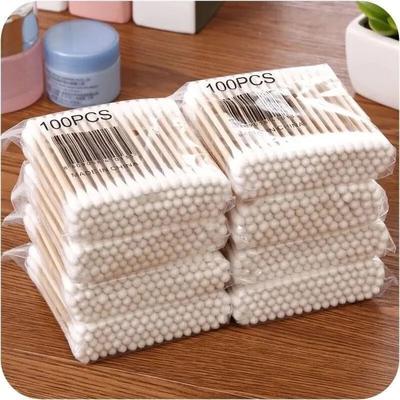
Uplift Essentials High Density Bamboo Cotton Applicators High Density Bamboo Cotton ApplicatorsOptimize your personal care and cosmetic routine with the Professional HighDensity Bamboo Cotton Applicators. Engineered for surgical precision and ecological sustainability, these dualheaded swabs feature premium, 100% natural cotton tips bonded to...34,97 $*Shipping: 0,00 $Secure redirect to the provider
-
L-shaped Soft Velvet Fabric,Boneless Sofa,Tufted Design,Ergonomic Design Bottom,32D High Density SpongeHigh-Quality Velvet Fabric:Upholstered in ultra-soft,sink Into Cloud-Like Comfort,this sofa delivers luxury that elevates your living room's elegance.Enhance your living space with this elegant and comfort modern cloud couch. 32D High-Density Sponge:…804,99 $*Shipping: 0,00 $Secure redirect to the provider
-
Philip Kingsley Density Conditioner 170mlTreat your fine, fragile hair with Philip Kingsley Density Thickening Conditioner. Improve the health, condition and quality of fine, fragile and thinning hair Discover thicker, more volumised hair straight from the first use. The Density Thickening Conditioner contains a unique blend of Hyper-Branched Polymers and Hydrolyzed Pea Peptides to instantly volumise fine hair. Biomimetic ceramides within this lightweight formula help to replace lost lipids in damaged hair, whilst sealing and smoothing the cuticle to help detangle and improve hair's resistance against everyday threats. Hair strands are left strengthened against future damage, as well as softer with heightened volume. Enjoy increased hair volume by 25% after one use when used in combination with Density Thickening Conditioner and Density Thickening Protein Spray* Using Density Shampoo & Conditioner together significantly reduces the likelihood of hair breakage** *Independent Instrumental Tests, compared to a standard shampoo and conditioner. **Independent Instrumental Tests, compared to both untreated hair and hair treated with a leading volumising shampoo and conditioner. Ingredients: Aqua/Water/Eau, Cetearyl Alcohol, Hydrogenated Castor Oil/Sebacic Acid Copolymer, Pisum Sativum (Pea) Peptide, Behentrimonium Chloride, Cocos Nucifera (Coconut) Oil, Phenoxyethanol, Hydroxypropyl Starch Phosphate, Polyquaternium-110, Parfum (Fragrance), Isopropyl Alcohol, Behenyl/Stearyl Aminopropanediol Esters, Ethylhexylglycerin, Ricinus Communis (Castor) Seed Oil, Sodium Hydroxide, Citric Acid, Disodium EDTA, Leuconostoc/Radish Root Ferment Filtrate, Limonene, Linalool.31,00 £*Shipping: 0,00 £Secure redirect to the provider



-
What is individual density?
Individual density refers to the number of individuals of a particular species within a given area or habitat. It is a measure of how crowded or dispersed a population is within a specific area. Individual density can have significant impacts on factors such as competition for resources, predation, and overall population dynamics. Monitoring individual density is important for understanding the health and sustainability of a population within an ecosystem. **
-
How is density calculated?
Density is calculated by dividing the mass of an object by its volume. The formula for density is: Density = Mass / Volume. Mass is typically measured in grams or kilograms, while volume is measured in cubic centimeters or cubic meters. By dividing the mass by the volume, we can determine how much mass is present in a given volume, which gives us the density of the object. **
-
What is relative density?
Relative density, also known as specific gravity, is the ratio of the density of a substance to the density of a reference substance. It is a dimensionless quantity that compares the density of a substance to the density of water at a specific temperature. Relative density is used to characterize the heaviness or lightness of a substance compared to water, and it is commonly used in various scientific and industrial applications to determine the purity or composition of materials. **
-
How can the density of cola be measured and what is density?
The density of cola can be measured by using a graduated cylinder and a scale. First, the mass of a known volume of cola is measured using the scale. Then, the volume of the cola is measured by pouring it into the graduated cylinder and recording the volume. Density is a measure of how much mass is contained in a given volume and is calculated by dividing the mass by the volume. In the case of cola, the density can be used to determine the amount of sugar and other dissolved substances in the liquid. **


Which of the Greek islands has the highest cat density or dog density?
It is difficult to determine which Greek island has the highest cat or dog density as this information is not readily available or documented. However, islands with larger populations and more urban areas may have higher densities of cats and dogs due to human habitation and potential abandonment of pets. Islands like Crete, Rhodes, or Corfu, which are popular tourist destinations with larger populations, may have higher cat or dog densities compared to smaller, more remote islands. **
What is the difference between the polarization charge density and the displacement density?
The polarization charge density represents the charge that is induced in a material due to the alignment of its dipoles in an external electric field. It is a result of the polarization of the material and is a bulk property. On the other hand, the displacement density, also known as the electric displacement field, represents the total electric flux density in a material, including both free and bound charges. It is related to the electric field and the polarization of the material. In summary, the polarization charge density is the charge induced by polarization, while the displacement density is the total electric flux density in a material. **
Top-Angebote
Products related to Density:
-
Mavala Double-Brow Serum for Eyebrow Growth and Density 4,5mLA facial serum. Achieve fuller, more defined brows with Double-Brow Serum, an advanced plant-based treatment that boosts growth, density, and natural pigmentation from the root. Enhances eyebrow growth, thickness, and definition. Boosts natural pigment for visibly darker brows. Strengthens and stabilizes eyebrow hairs.16,68 £*Shipping: 4,22 £Secure redirect to the provider
-
Freshly Hair Growth and Density Treatment no Rebound Effect 50mLA hair-care product for hair loss or thinning. Combat hair loss naturally with Hair Growth and Density Treatment. Clinically proven to reduce hair fall by 57%, increase density by 69%, and strengthen hair without hormonal interference. Reduces hair loss by 57% in 45 days. Increases hair density by 69%.22,25 £*Shipping: 5,34 £Secure redirect to the provider
-
Freshly Hair Growth and Density Anti-Hair Loss Shampoo 250mLA shampoo for hair loss or thinning. It designed to combat hair loss while promoting development and density. Promotes healthy scalp microcirculation. Suitable for sensitive scalps and daily use. Turmeric Peptide: Stimulates hair development and reduces hair loss. Scutellaria Baicalensis Root Extract: Provides inflammation-reducing benefits.14,82 £*Shipping: 7,11 £Secure redirect to the provider
-
Uplift Essentials High Density Bamboo Cotton Applicators High Density Bamboo Cotton ApplicatorsOptimize your personal care and cosmetic routine with the Professional HighDensity Bamboo Cotton Applicators. Engineered for surgical precision and ecological sustainability, these dualheaded swabs feature premium, 100% natural cotton tips bonded to...34,97 $*Shipping: 0,00 $Secure redirect to the provider
-
How do you calculate the marginal density and the joint density?
To calculate the marginal density of a random variable, you integrate the joint density function over all possible values of the other random variables. For example, to find the marginal density of X in a joint density function f(x,y), you would integrate f(x,y) with respect to y. To calculate the joint density of two random variables, you multiply the marginal densities of each variable together. For example, if X and Y are independent random variables with marginal densities f(x) and g(y) respectively, then the joint density function is given by h(x,y) = f(x) * g(y). In summary, to calculate the marginal density, integrate the joint density over all possible values of the other random variables, and to calculate the joint density, multiply the marginal densities of each variable together. **
-
How do you calculate density in mathematics and what is density?
Density is a measure of how much mass is contained in a given volume. In mathematics, density is calculated by dividing the mass of an object by its volume. The formula for density is: density = mass/volume. This calculation allows us to determine how tightly packed the particles of a substance are, and it is commonly used in physics and engineering to describe the properties of materials. **
-
What is individual density?
Individual density refers to the number of individuals of a particular species within a given area or habitat. It is a measure of how crowded or dispersed a population is within a specific area. Individual density can have significant impacts on factors such as competition for resources, predation, and overall population dynamics. Monitoring individual density is important for understanding the health and sustainability of a population within an ecosystem. **
-
How is density calculated?
Density is calculated by dividing the mass of an object by its volume. The formula for density is: Density = Mass / Volume. Mass is typically measured in grams or kilograms, while volume is measured in cubic centimeters or cubic meters. By dividing the mass by the volume, we can determine how much mass is present in a given volume, which gives us the density of the object. **
Similar search terms for Density
-
L-shaped Soft Velvet Fabric,Boneless Sofa,Tufted Design,Ergonomic Design Bottom,32D High Density SpongeHigh-Quality Velvet Fabric:Upholstered in ultra-soft,sink Into Cloud-Like Comfort,this sofa delivers luxury that elevates your living room's elegance.Enhance your living space with this elegant and comfort modern cloud couch. 32D High-Density Sponge:…804,99 $*Shipping: 0,00 $Secure redirect to the provider
-
Philip Kingsley Density Conditioner 170mlTreat your fine, fragile hair with Philip Kingsley Density Thickening Conditioner. Improve the health, condition and quality of fine, fragile and thinning hair Discover thicker, more volumised hair straight from the first use. The Density Thickening Conditioner contains a unique blend of Hyper-Branched Polymers and Hydrolyzed Pea Peptides to instantly volumise fine hair. Biomimetic ceramides within this lightweight formula help to replace lost lipids in damaged hair, whilst sealing and smoothing the cuticle to help detangle and improve hair's resistance against everyday threats. Hair strands are left strengthened against future damage, as well as softer with heightened volume. Enjoy increased hair volume by 25% after one use when used in combination with Density Thickening Conditioner and Density Thickening Protein Spray* Using Density Shampoo & Conditioner together significantly reduces the likelihood of hair breakage** *Independent Instrumental Tests, compared to a standard shampoo and conditioner. **Independent Instrumental Tests, compared to both untreated hair and hair treated with a leading volumising shampoo and conditioner. Ingredients: Aqua/Water/Eau, Cetearyl Alcohol, Hydrogenated Castor Oil/Sebacic Acid Copolymer, Pisum Sativum (Pea) Peptide, Behentrimonium Chloride, Cocos Nucifera (Coconut) Oil, Phenoxyethanol, Hydroxypropyl Starch Phosphate, Polyquaternium-110, Parfum (Fragrance), Isopropyl Alcohol, Behenyl/Stearyl Aminopropanediol Esters, Ethylhexylglycerin, Ricinus Communis (Castor) Seed Oil, Sodium Hydroxide, Citric Acid, Disodium EDTA, Leuconostoc/Radish Root Ferment Filtrate, Limonene, Linalool.31,00 £*Shipping: 0,00 £Secure redirect to the provider
-
"27.5"" Linen Accent Chair with Pillow and Ergonomic Design and High-Density Foam"Marketing Copy: Discover the perfect balance of form and function with our minimalist linen accent chair, bringing architectural elegance into your everyday life.208,99 $*Shipping: 0,00 $Secure redirect to the provider
-
L-shaped Soft Velvet Fabric,Boneless Sofa,Tufted Design,Ergonomic Design Bottom,32D High Density SpongeHigh-Quality Velvet Fabric:Upholstered in ultra-soft,sink Into Cloud-Like Comfort,this sofa delivers luxury that elevates your living room's elegance.Enhance your living space with this elegant and comfort modern cloud couch. 32D High-Density Sponge:…804,99 $*Shipping: 0,00 $Secure redirect to the provider
-
What is relative density?
Relative density, also known as specific gravity, is the ratio of the density of a substance to the density of a reference substance. It is a dimensionless quantity that compares the density of a substance to the density of water at a specific temperature. Relative density is used to characterize the heaviness or lightness of a substance compared to water, and it is commonly used in various scientific and industrial applications to determine the purity or composition of materials. **
-
How can the density of cola be measured and what is density?
The density of cola can be measured by using a graduated cylinder and a scale. First, the mass of a known volume of cola is measured using the scale. Then, the volume of the cola is measured by pouring it into the graduated cylinder and recording the volume. Density is a measure of how much mass is contained in a given volume and is calculated by dividing the mass by the volume. In the case of cola, the density can be used to determine the amount of sugar and other dissolved substances in the liquid. **
-
Which of the Greek islands has the highest cat density or dog density?
It is difficult to determine which Greek island has the highest cat or dog density as this information is not readily available or documented. However, islands with larger populations and more urban areas may have higher densities of cats and dogs due to human habitation and potential abandonment of pets. Islands like Crete, Rhodes, or Corfu, which are popular tourist destinations with larger populations, may have higher cat or dog densities compared to smaller, more remote islands. **
-
What is the difference between the polarization charge density and the displacement density?
The polarization charge density represents the charge that is induced in a material due to the alignment of its dipoles in an external electric field. It is a result of the polarization of the material and is a bulk property. On the other hand, the displacement density, also known as the electric displacement field, represents the total electric flux density in a material, including both free and bound charges. It is related to the electric field and the polarization of the material. In summary, the polarization charge density is the charge induced by polarization, while the displacement density is the total electric flux density in a material. **
* All prices are inclusive of VAT and, if applicable, plus shipping costs. The offer information is based on the details provided by the respective shop and is updated through automated processes. Real-time updates do not occur, so deviations can occur in individual cases. ** Note: Parts of this content were created by AI.