Buy cre8ive.eu ?
We are moving the project
cre8ive.eu .
Are you interested in purchasing the domain
cre8ive.eu ?
domain@kv-gmbh.de · 0541-91531010
Buy cre8ive.eu ?
Are wages liabilities?
Yes, wages are considered liabilities for a company because they represent an obligation to pay employees for their work. From an accounting perspective, wages are typically recorded as a liability on the company's balance sheet until they are paid to the employees. This reflects the company's obligation to fulfill its financial commitments to its employees. Therefore, wages are classified as a liability until they are settled. **
What are liabilities and receivables?
Liabilities are obligations or debts that a company owes to external parties, such as loans, accounts payable, or accrued expenses. They represent the company's financial responsibilities that must be settled in the future. Receivables, on the other hand, are amounts owed to a company by its customers or other parties for goods or services provided. They represent the company's right to receive payment and are considered assets on the company's balance sheet. Both liabilities and receivables are important components of a company's financial position and are crucial for assessing its overall financial health. **


Similar search terms for Liabilities
Top-Angebote
Products related to Liabilities:
-
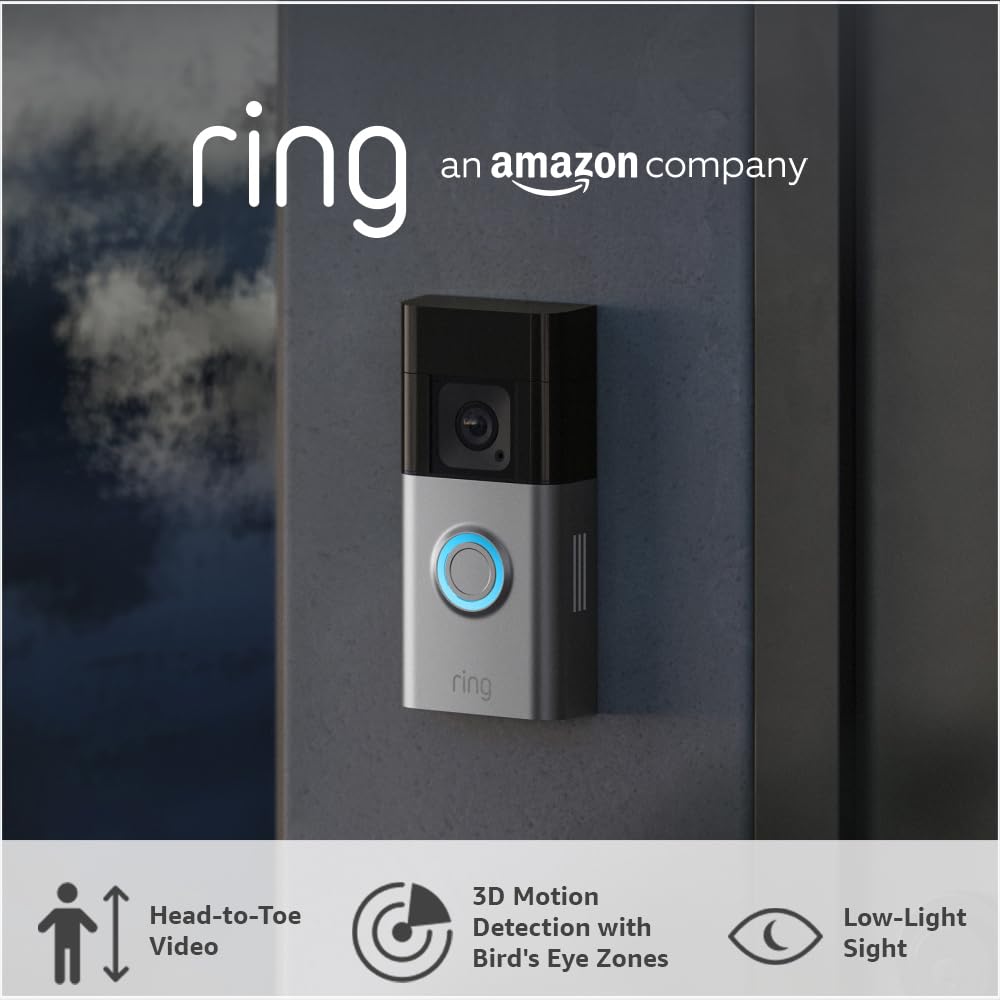
Ring Battery Video Doorbell Pro – Advanced Home Security & Connectivity, NewUpgrade your home security with the Ring Battery Video Doorbell Pro – Wireless Video Doorbell Security Camera . Designed to give you peace of mind, it delivers a head-to-toe 1536p HD view so you can see every detail clearly, from visitors to parcels at your doorstep. With advanced 3D Motion Detection and Bird’s Eye View , you’ll always know what’s happening around your home. The built-in colour night vision ensures crisp images even in the dark, while the wire-free battery design makes installation simple and flexible. Stay connected anywhere with instant notifications, two-way talk, and full integration with the Ring app, Alexa devices, and more. ✔️ Wireless video doorbell – Easy to install with a rechargeable battery, no wiring needed ✔️ 1536p HD head-to-toe view – See visitors and packages clearly in high definition ✔️ 3D Motion Detection & Bird’s Eye View – Advanced alerts and aerial perspective for extra security ✔️ Colour night vision – Crystal-clear video even in low light or darkness ✔️ Two-way talk with noise cancellation – Hear and speak to visitors in real time ✔️ Customisable motion zones – Focus on the areas that matter most ✔️ Smart alerts & notifications – Instant updates on your phone via the Ring app ✔️ Alexa compatible – Works seamlessly with Echo devices for hands-free monitoring ✔️ Quick-release battery pack – Easy to recharge and swap for uninterrupted security ✔️ Durable design – Built to withstand outdoor weather conditions The Ring Battery Video Doorbell Pro combines advanced motion detection, high-definition video, and smart home integration in one sleek device. Perfect for enhancing your home security, it ensures you never miss a visitor or delivery, day or night.174,49 £*Shipping: 0,00 £Secure redirect to the provider
-
HARPERCOLLINS Creative Confidence by Tom & David Kelley – Unleashing Your Creative Potential & Innovation MindsetA powerful and inspiring book from the founders of IDEO, the award-winning design firm, on unleashing the creativity that lies within each and every one of us. Too often, companies and individuals assume that creativity and innovation are the domain of the ‘creative types’. But two of the foremost experts in innovation, design and creativity on the planet show us that each and every one of us is creative. In an entertaining and inspiring narrative that draws on countless stories from their work at IDEO, and with many of the world's top companies and design firms, David and Tom Kelley identify the principles and strategies that will allow us to tap into our creative potential in our work lives, and in our personal lives, allow us to think outside the box in terms of how we approach and solve problems. ‘Creative Confidence’ is a book that will help each of us be more productive and successful in our lives and in our careers.4,95 £*Shipping: 1,99 £Secure redirect to the provider
-
Inspire Essentials COOSPO HW9 Armband Heart Rate Monitor With Bluetooth And ANT Plus Connectivity COOSPO HW9 Armband Heart Rate Monitor With Bluetooth And ANT Plus ConnectivityTake your training to the next level with the COOSPO HW9 heart rate monitor, a highperformance fitness tracker designed for accuracy, comfort, and versatility. This armband heart rate monitor delivers realtime heart rate, calories, and zone tracking...102,48 $*Shipping: 0,00 $Secure redirect to the provider



-
How are the assets and liabilities evaluated?
Assets and liabilities are evaluated based on their current market value or book value. For assets, this means determining their fair market value, which is the price that they could be sold for in the current market. Liabilities are evaluated based on their current outstanding balance or the amount that is owed. This evaluation helps to determine the financial health and position of a company, as well as its ability to meet its financial obligations. **
-
Why is equity on the liabilities side?
Equity is placed on the liabilities side of the balance sheet because it represents the claims of the company's owners or shareholders on the company's assets. It is considered a liability because the company has an obligation to its owners to repay their investment in the business. However, unlike other liabilities, equity does not have a fixed repayment schedule and is considered a residual claim, meaning it is only paid out after all other liabilities have been settled. Therefore, equity is categorized as a liability on the balance sheet to accurately reflect the financial obligations of the company. **
-
What are transitory assets and/or liabilities?
Transitory assets and/or liabilities are items on a company's balance sheet that are expected to be settled or used up within a relatively short period of time, typically within one year. These items are considered to be temporary in nature and are not expected to have a long-term impact on the company's financial position. Examples of transitory assets include cash, accounts receivable, and inventory, while examples of transitory liabilities include accounts payable and short-term debt. It is important for investors and analysts to understand the nature of these transitory items when evaluating a company's financial health and performance. **
-
How can accounting, liabilities, and receivables be interconnected?
Accounting, liabilities, and receivables are interconnected in the sense that they all play a role in a company's financial health. Liabilities are debts or obligations that a company owes, which are recorded on the balance sheet as part of the accounting process. Receivables, on the other hand, represent money owed to the company by its customers or clients, and are also recorded on the balance sheet as assets. The relationship between these two is that receivables can eventually become liabilities if they are not collected in a timely manner, which can impact the company's financial position. Therefore, proper accounting practices are essential to accurately track and manage both liabilities and receivables to ensure the company's financial stability. **

What is a statement of assets and liabilities?
A statement of assets and liabilities is a financial document that provides a snapshot of an individual's or organization's financial position at a specific point in time. It lists all the assets, such as cash, investments, property, and equipment, as well as all the liabilities, such as loans, mortgages, and other debts. The statement helps to assess the overall financial health and solvency of the entity by comparing the total assets to the total liabilities. It is an essential tool for financial planning, decision-making, and assessing the ability to meet financial obligations. **
How can liabilities be settled in other ways?
Liabilities can be settled in other ways through various means such as debt restructuring, where the terms of the debt are renegotiated to make it more manageable for the debtor. Another way is through debt-for-equity swaps, where the creditor agrees to convert the debt into an ownership stake in the debtor's company. Additionally, liabilities can be settled through the sale of assets, where the debtor sells off assets to generate cash to pay off the liabilities. Finally, some liabilities can be settled through the issuance of new debt to replace the existing liabilities, known as refinancing. **
Top-Angebote
Products related to Liabilities:
-
Uplift Essentials Armband Heart Rate Monitor With Bluetooth 5.0 And ANT+ Connectivity Armband Heart Rate Monitor With Bluetooth 5.0 And ANT+ ConnectivityTrain smarter and safer with this armband heart rate monitor featuring accurate optical HR tracking, calorie burn monitoring, and heart rate zone feedback. Designed for fitness enthusiasts, cyclists, and athletes, this device connects seamlessly to...126,97 $*Shipping: 0,00 $Secure redirect to the provider
-
Mamas & Papas Special Edition Liberty Collaboration Cold Weather Plus FootmuffThe Cold Weather Plus Footmuff by Mamas & Papas is the ultimate footmuff for cold weather protection, and features an extra-soft fleece lining. Ideal for keeping baby warm and cozy when out and about in cool weather, you can even zip down to a liner...150,00 $*Shipping: 0,00 $Secure redirect to the provider
-
Ring Battery Video Doorbell Pro – Advanced Home Security & Connectivity, NewUpgrade your home security with the Ring Battery Video Doorbell Pro – Wireless Video Doorbell Security Camera . Designed to give you peace of mind, it delivers a head-to-toe 1536p HD view so you can see every detail clearly, from visitors to parcels at your doorstep. With advanced 3D Motion Detection and Bird’s Eye View , you’ll always know what’s happening around your home. The built-in colour night vision ensures crisp images even in the dark, while the wire-free battery design makes installation simple and flexible. Stay connected anywhere with instant notifications, two-way talk, and full integration with the Ring app, Alexa devices, and more. ✔️ Wireless video doorbell – Easy to install with a rechargeable battery, no wiring needed ✔️ 1536p HD head-to-toe view – See visitors and packages clearly in high definition ✔️ 3D Motion Detection & Bird’s Eye View – Advanced alerts and aerial perspective for extra security ✔️ Colour night vision – Crystal-clear video even in low light or darkness ✔️ Two-way talk with noise cancellation – Hear and speak to visitors in real time ✔️ Customisable motion zones – Focus on the areas that matter most ✔️ Smart alerts & notifications – Instant updates on your phone via the Ring app ✔️ Alexa compatible – Works seamlessly with Echo devices for hands-free monitoring ✔️ Quick-release battery pack – Easy to recharge and swap for uninterrupted security ✔️ Durable design – Built to withstand outdoor weather conditions The Ring Battery Video Doorbell Pro combines advanced motion detection, high-definition video, and smart home integration in one sleek device. Perfect for enhancing your home security, it ensures you never miss a visitor or delivery, day or night.174,49 £*Shipping: 0,00 £Secure redirect to the provider
-
HARPERCOLLINS Creative Confidence by Tom & David Kelley – Unleashing Your Creative Potential & Innovation MindsetA powerful and inspiring book from the founders of IDEO, the award-winning design firm, on unleashing the creativity that lies within each and every one of us. Too often, companies and individuals assume that creativity and innovation are the domain of the ‘creative types’. But two of the foremost experts in innovation, design and creativity on the planet show us that each and every one of us is creative. In an entertaining and inspiring narrative that draws on countless stories from their work at IDEO, and with many of the world's top companies and design firms, David and Tom Kelley identify the principles and strategies that will allow us to tap into our creative potential in our work lives, and in our personal lives, allow us to think outside the box in terms of how we approach and solve problems. ‘Creative Confidence’ is a book that will help each of us be more productive and successful in our lives and in our careers.4,95 £*Shipping: 1,99 £Secure redirect to the provider
-
Are wages liabilities?
Yes, wages are considered liabilities for a company because they represent an obligation to pay employees for their work. From an accounting perspective, wages are typically recorded as a liability on the company's balance sheet until they are paid to the employees. This reflects the company's obligation to fulfill its financial commitments to its employees. Therefore, wages are classified as a liability until they are settled. **
-
What are liabilities and receivables?
Liabilities are obligations or debts that a company owes to external parties, such as loans, accounts payable, or accrued expenses. They represent the company's financial responsibilities that must be settled in the future. Receivables, on the other hand, are amounts owed to a company by its customers or other parties for goods or services provided. They represent the company's right to receive payment and are considered assets on the company's balance sheet. Both liabilities and receivables are important components of a company's financial position and are crucial for assessing its overall financial health. **
-
How are the assets and liabilities evaluated?
Assets and liabilities are evaluated based on their current market value or book value. For assets, this means determining their fair market value, which is the price that they could be sold for in the current market. Liabilities are evaluated based on their current outstanding balance or the amount that is owed. This evaluation helps to determine the financial health and position of a company, as well as its ability to meet its financial obligations. **
-
Why is equity on the liabilities side?
Equity is placed on the liabilities side of the balance sheet because it represents the claims of the company's owners or shareholders on the company's assets. It is considered a liability because the company has an obligation to its owners to repay their investment in the business. However, unlike other liabilities, equity does not have a fixed repayment schedule and is considered a residual claim, meaning it is only paid out after all other liabilities have been settled. Therefore, equity is categorized as a liability on the balance sheet to accurately reflect the financial obligations of the company. **
Similar search terms for Liabilities
-
Inspire Essentials COOSPO HW9 Armband Heart Rate Monitor With Bluetooth And ANT Plus Connectivity COOSPO HW9 Armband Heart Rate Monitor With Bluetooth And ANT Plus ConnectivityTake your training to the next level with the COOSPO HW9 heart rate monitor, a highperformance fitness tracker designed for accuracy, comfort, and versatility. This armband heart rate monitor delivers realtime heart rate, calories, and zone tracking...102,48 $*Shipping: 0,00 $Secure redirect to the provider
-
Pyrex Inspiration 35 x 22cm Rectangular RoasterThe Pyrex Inspiration Rectangular Roaster is made from high borosilicate glass that is thermal shock resistant up to 220°C. The geometric shape of the eye catching design features integrated handles ideal for serving oven baked meals and has a 10 year guarantee. This glass Roaster can store food in the fridge and freezer for easy food preparation. The Pyrex Inspiration Rectangular Roaster is 35 x 22cm.16,19 £*Shipping: 3,50 £Secure redirect to the provider
-
Farberware Cordless Platinum Stick Vacuum Cleaner, Smart Sensor Technology for Carpet and Hard Floors, Bendable DesignFarberware Cordless Platinum Stick Vacuum Cleaner, Smart Sensor Technology for Carpet and Hard Floors, Bendable Design, Converts to Handheld Vacuum Description: Life is messy, but with Farberware’s Cordless Platinum Stick Vacuum, you can tackle every…147,49 $*Shipping: 0,00 $Secure redirect to the provider
-
What are transitory assets and/or liabilities?
Transitory assets and/or liabilities are items on a company's balance sheet that are expected to be settled or used up within a relatively short period of time, typically within one year. These items are considered to be temporary in nature and are not expected to have a long-term impact on the company's financial position. Examples of transitory assets include cash, accounts receivable, and inventory, while examples of transitory liabilities include accounts payable and short-term debt. It is important for investors and analysts to understand the nature of these transitory items when evaluating a company's financial health and performance. **
-
How can accounting, liabilities, and receivables be interconnected?
Accounting, liabilities, and receivables are interconnected in the sense that they all play a role in a company's financial health. Liabilities are debts or obligations that a company owes, which are recorded on the balance sheet as part of the accounting process. Receivables, on the other hand, represent money owed to the company by its customers or clients, and are also recorded on the balance sheet as assets. The relationship between these two is that receivables can eventually become liabilities if they are not collected in a timely manner, which can impact the company's financial position. Therefore, proper accounting practices are essential to accurately track and manage both liabilities and receivables to ensure the company's financial stability. **
-
What is a statement of assets and liabilities?
A statement of assets and liabilities is a financial document that provides a snapshot of an individual's or organization's financial position at a specific point in time. It lists all the assets, such as cash, investments, property, and equipment, as well as all the liabilities, such as loans, mortgages, and other debts. The statement helps to assess the overall financial health and solvency of the entity by comparing the total assets to the total liabilities. It is an essential tool for financial planning, decision-making, and assessing the ability to meet financial obligations. **
-
How can liabilities be settled in other ways?
Liabilities can be settled in other ways through various means such as debt restructuring, where the terms of the debt are renegotiated to make it more manageable for the debtor. Another way is through debt-for-equity swaps, where the creditor agrees to convert the debt into an ownership stake in the debtor's company. Additionally, liabilities can be settled through the sale of assets, where the debtor sells off assets to generate cash to pay off the liabilities. Finally, some liabilities can be settled through the issuance of new debt to replace the existing liabilities, known as refinancing. **
* All prices are inclusive of VAT and, if applicable, plus shipping costs. The offer information is based on the details provided by the respective shop and is updated through automated processes. Real-time updates do not occur, so deviations can occur in individual cases. ** Note: Parts of this content were created by AI.