Buy cre8ive.eu ?
We are moving the project
cre8ive.eu .
Are you interested in purchasing the domain
cre8ive.eu ?
domain@kv-gmbh.de · 0541-91531010
Buy cre8ive.eu ?
How is the mapping of DNA nucleotides done?
The mapping of DNA nucleotides is done through a process called DNA sequencing. This involves determining the precise order of nucleotides within a DNA molecule. There are various techniques used for DNA sequencing, such as Sanger sequencing, next-generation sequencing, and third-generation sequencing technologies. These methods involve breaking down the DNA molecule into smaller fragments, sequencing these fragments, and then using computational tools to assemble the sequence back together. The resulting sequence data provides valuable information about the genetic makeup of an organism. **
What changes occur in nucleotides due to mutations?
Mutations can cause changes in nucleotides by altering the sequence of DNA. This can result in the substitution of one nucleotide for another, the insertion or deletion of nucleotides, or the rearrangement of nucleotides within the DNA sequence. These changes can lead to the production of abnormal proteins or the disruption of normal gene function, which can have a variety of effects on an organism, including genetic disorders or diseases. **


Similar search terms for Nucleotides
Top-Angebote
Products related to Nucleotides:
-
EPOS IMPACT 500 ANC Wireless Headset – Teams Certified with USB-C & USB-A Connectivity – Advanced Bluetooth Audio for Smarter, Distraction-Free WorkHybrid Active Noise Cancellation – Stay focused wherever you work with adaptive ANC that reduces background noise and keeps your calls crystal clear. Teams Certified & UC Compatible – Optimized for Microsoft Teams and leading UC platforms like Zoom and Google Meet for effortless collaboration. Seamless Dual Connectivity – Includes both USB-C and USB-A options for instant plug-and-play connection to any laptop or device. EPOS AI Voice Technology – Advanced microphones powered by EPOS AI isolate your voice from surrounding noise for natural, professional-sounding calls. All-Day Comfort & Long Battery Life – Lightweight on-ear design with soft leatherette cushions and up to 35 hours of talk time for hybrid workdays125,49 £*Shipping: 0,00 £Secure redirect to the provider
-
Sesderma Reti Age 5 Liposomal Serum Anti-Aging Innovation 30mLA facial serum for wrinkles and signs of ageing. Reduces wrinkles and fine lines. Hydrates and strengthens barrier. Restores youthful radiance. 5-Retinoid System: smooths wrinkles, accelerates renewal, and boosts collagen. Biomimetic Peptides: fill expression lines by stimulating collagen synthesis.54,51 £*Shipping: 5,34 £Secure redirect to the provider




-
What are nucleotides and what are they used for?
Nucleotides are the building blocks of nucleic acids like DNA and RNA. They are composed of a nitrogenous base, a sugar molecule, and a phosphate group. Nucleotides play a crucial role in storing and transferring genetic information, as well as in various cellular processes such as energy transfer and cell signaling. **
-
Where do the nucleotides come from during DNA replication?
During DNA replication, nucleotides come from the pool of free nucleotides present in the cell. These free nucleotides are the building blocks of DNA and are readily available for use in the replication process. The cell carefully regulates the levels of free nucleotides to ensure that there are enough available for DNA replication to occur efficiently. Additionally, enzymes involved in DNA replication help to select and incorporate the correct nucleotides into the growing DNA strand. **
-
Where do the free nucleotides needed for replication come from?
The free nucleotides needed for replication come from the cell's pool of nucleotides, which are the building blocks of DNA and RNA. These nucleotides are constantly being synthesized and broken down in the cell as part of its normal metabolic processes. During DNA replication, enzymes called DNA polymerases use these free nucleotides to build new strands of DNA by matching them with the complementary nucleotides on the existing template strands. This process ensures that the genetic information is accurately copied and passed on to the daughter cells. **
-
At what average distance, measured in number of nucleotides, does the sequence ATG occur in a random DNA sequence?
The sequence ATG, which codes for the start codon in DNA, occurs on average every 64 nucleotides in a random DNA sequence. This is because there are 64 possible codons (4^3) and ATG is one of them. Therefore, in a random sequence, ATG would be expected to occur approximately once every 64 nucleotides. **

What is the inspiration for the design of the car model?
The inspiration for the design of the car model comes from a combination of factors such as aerodynamics, functionality, and aesthetics. Designers often draw inspiration from nature, architecture, and other forms of art to create a sleek and modern look for the car. Additionally, the brand's heritage and values also play a significant role in shaping the design language of the car model. Ultimately, the goal is to create a design that is both visually appealing and functional, while also reflecting the brand's identity and vision for the future of automotive design. **
Is it meaningful for the polymerase to synthesize nucleotides at the sugar ends? What would happen if it does this at a different location?
It is not meaningful for the polymerase to synthesize nucleotides at the sugar ends because the sugar end is already part of the existing nucleotide and does not require synthesis. If the polymerase were to synthesize nucleotides at a different location, it could lead to errors in the DNA or RNA sequence, potentially causing mutations or other genetic abnormalities. The polymerase must accurately add nucleotides in the correct sequence and location to ensure the proper functioning of the genetic material. **
Top-Angebote
Products related to Nucleotides:
-
Kingston Technology FURY 32GB 6400MT/s DDR5 CL38 SODIMM (Kit of 2) Impact XMPYour notebook or small-form-factor machine can now experience the latest, cutting-edge memory technology with Kingston FURY™ Impact DDR5. With Intel® XMP 3.0 Certified SODIMM kit capacities of up to 64GB, Kingston FURY Impact DDR5 packs all the enhanced features of DDR5 into a slim, compact form factor. On Plug N Play* enabled modules, Kingston FURY Impact DDR5 automatically overclocks, giving your system a boost in performance without having to enable a profile. Modules featuring XMP 3.0 profiles can overclock to the highest frequency published, up to 6400MT/s, by selecting the profile in BIOS settings.Mighty DDR5 SODIMM performanceWith a starting speed of 4800MT/s, DDR5 is 50% faster than DDR4 for a boost in gaming, rendering, and multitasking.Plug N Play automatic overclocking functionality* Kingston FURY Impact DDR5’s PnP modules automatically overclock to the highest listed speed.Intel® XMP 3.0 Certified Maximise memory performance with advanced pre-optimised timings, speed and voltage for overclocking.Low Power Consumption, Increased efficiencyKeep your system cool and efficient with Kingston FURY Impact DDR5’s low power draw.Improved stability with on-die ECCMaintain data integrity while hitting overclocking speeds.683,99 £*Shipping: 0,00 £Secure redirect to the provider
-
Kingston Technology FURY Impact 16 GB 2 x 8 GB DDR4 3200 MHz Laptop RAMKingston FURY Impact Dual-Channel Power for Serious Laptop Performance If your laptops starting to lag behind, its time to double up and dial in some serious speed. The Kingston FURY Impact 16GB DDR4 Laptop RAM Kit delivers 2 x 8GB of blazing-fast memory at 3200MHz , optimised for dual-channel configurations and ready to tackle demanding tasks, whether youre gaming, creating, or simply multitasking like a pro. Why Youll Love It Dual-Channel DDR4 for Extra Bandwidth : Two matched 8GB modules work253,99 £*Shipping: 0,00 £Secure redirect to the provider
-
EPOS IMPACT 500 ANC Wireless Headset – Teams Certified with USB-C & USB-A Connectivity – Advanced Bluetooth Audio for Smarter, Distraction-Free WorkHybrid Active Noise Cancellation – Stay focused wherever you work with adaptive ANC that reduces background noise and keeps your calls crystal clear. Teams Certified & UC Compatible – Optimized for Microsoft Teams and leading UC platforms like Zoom and Google Meet for effortless collaboration. Seamless Dual Connectivity – Includes both USB-C and USB-A options for instant plug-and-play connection to any laptop or device. EPOS AI Voice Technology – Advanced microphones powered by EPOS AI isolate your voice from surrounding noise for natural, professional-sounding calls. All-Day Comfort & Long Battery Life – Lightweight on-ear design with soft leatherette cushions and up to 35 hours of talk time for hybrid workdays125,49 £*Shipping: 0,00 £Secure redirect to the provider
-
How is the mapping of DNA nucleotides done?
The mapping of DNA nucleotides is done through a process called DNA sequencing. This involves determining the precise order of nucleotides within a DNA molecule. There are various techniques used for DNA sequencing, such as Sanger sequencing, next-generation sequencing, and third-generation sequencing technologies. These methods involve breaking down the DNA molecule into smaller fragments, sequencing these fragments, and then using computational tools to assemble the sequence back together. The resulting sequence data provides valuable information about the genetic makeup of an organism. **
-
What changes occur in nucleotides due to mutations?
Mutations can cause changes in nucleotides by altering the sequence of DNA. This can result in the substitution of one nucleotide for another, the insertion or deletion of nucleotides, or the rearrangement of nucleotides within the DNA sequence. These changes can lead to the production of abnormal proteins or the disruption of normal gene function, which can have a variety of effects on an organism, including genetic disorders or diseases. **
-
What are nucleotides and what are they used for?
Nucleotides are the building blocks of nucleic acids like DNA and RNA. They are composed of a nitrogenous base, a sugar molecule, and a phosphate group. Nucleotides play a crucial role in storing and transferring genetic information, as well as in various cellular processes such as energy transfer and cell signaling. **
-
Where do the nucleotides come from during DNA replication?
During DNA replication, nucleotides come from the pool of free nucleotides present in the cell. These free nucleotides are the building blocks of DNA and are readily available for use in the replication process. The cell carefully regulates the levels of free nucleotides to ensure that there are enough available for DNA replication to occur efficiently. Additionally, enzymes involved in DNA replication help to select and incorporate the correct nucleotides into the growing DNA strand. **
Similar search terms for Nucleotides
-
Sesderma Reti Age 5 Liposomal Serum Anti-Aging Innovation 30mLA facial serum for wrinkles and signs of ageing. Reduces wrinkles and fine lines. Hydrates and strengthens barrier. Restores youthful radiance. 5-Retinoid System: smooths wrinkles, accelerates renewal, and boosts collagen. Biomimetic Peptides: fill expression lines by stimulating collagen synthesis.54,51 £*Shipping: 5,34 £Secure redirect to the provider
-
Uplift Essentials Armband Heart Rate Monitor With Bluetooth 5.0 And ANT+ Connectivity Armband Heart Rate Monitor With Bluetooth 5.0 And ANT+ ConnectivityTrain smarter and safer with this armband heart rate monitor featuring accurate optical HR tracking, calorie burn monitoring, and heart rate zone feedback. Designed for fitness enthusiasts, cyclists, and athletes, this device connects seamlessly to...126,97 $*Shipping: 0,00 $Secure redirect to the provider
-
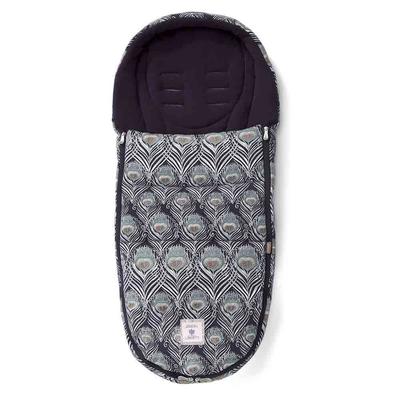
Mamas & Papas Special Edition Liberty Collaboration Cold Weather Plus FootmuffThe Cold Weather Plus Footmuff by Mamas & Papas is the ultimate footmuff for cold weather protection, and features an extra-soft fleece lining. Ideal for keeping baby warm and cozy when out and about in cool weather, you can even zip down to a liner...150,00 $*Shipping: 0,00 $Secure redirect to the provider
-
Where do the free nucleotides needed for replication come from?
The free nucleotides needed for replication come from the cell's pool of nucleotides, which are the building blocks of DNA and RNA. These nucleotides are constantly being synthesized and broken down in the cell as part of its normal metabolic processes. During DNA replication, enzymes called DNA polymerases use these free nucleotides to build new strands of DNA by matching them with the complementary nucleotides on the existing template strands. This process ensures that the genetic information is accurately copied and passed on to the daughter cells. **
-
At what average distance, measured in number of nucleotides, does the sequence ATG occur in a random DNA sequence?
The sequence ATG, which codes for the start codon in DNA, occurs on average every 64 nucleotides in a random DNA sequence. This is because there are 64 possible codons (4^3) and ATG is one of them. Therefore, in a random sequence, ATG would be expected to occur approximately once every 64 nucleotides. **
-
What is the inspiration for the design of the car model?
The inspiration for the design of the car model comes from a combination of factors such as aerodynamics, functionality, and aesthetics. Designers often draw inspiration from nature, architecture, and other forms of art to create a sleek and modern look for the car. Additionally, the brand's heritage and values also play a significant role in shaping the design language of the car model. Ultimately, the goal is to create a design that is both visually appealing and functional, while also reflecting the brand's identity and vision for the future of automotive design. **
-
Is it meaningful for the polymerase to synthesize nucleotides at the sugar ends? What would happen if it does this at a different location?
It is not meaningful for the polymerase to synthesize nucleotides at the sugar ends because the sugar end is already part of the existing nucleotide and does not require synthesis. If the polymerase were to synthesize nucleotides at a different location, it could lead to errors in the DNA or RNA sequence, potentially causing mutations or other genetic abnormalities. The polymerase must accurately add nucleotides in the correct sequence and location to ensure the proper functioning of the genetic material. **
* All prices are inclusive of VAT and, if applicable, plus shipping costs. The offer information is based on the details provided by the respective shop and is updated through automated processes. Real-time updates do not occur, so deviations can occur in individual cases. ** Note: Parts of this content were created by AI.