Buy cre8ive.eu ?
We are moving the project
cre8ive.eu .
Are you interested in purchasing the domain
cre8ive.eu ?
domain@kv-gmbh.de · 0541-91531010
Buy cre8ive.eu ?
How do non-homologous recombination and homologous recombination work?
Non-homologous recombination involves the joining of two DNA molecules at non-homologous sequences, resulting in the insertion, deletion, or rearrangement of genetic material. This process is often error-prone and can lead to mutations. Homologous recombination, on the other hand, involves the exchange of genetic material between two similar DNA molecules, typically occurring during meiosis. This process is important for repairing DNA damage and ensuring genetic diversity. It involves the exchange of genetic material between homologous chromosomes, resulting in the formation of new combinations of genes. **
What is the difference between interchromosomal recombination and intrachromosomal recombination?
Interchromosomal recombination involves the exchange of genetic material between two different chromosomes, while intrachromosomal recombination involves the exchange of genetic material within the same chromosome. Interchromosomal recombination can result in the creation of new combinations of genes from different chromosomes, leading to genetic diversity. In contrast, intrachromosomal recombination can lead to the repair of DNA damage or the creation of genetic variation within the same chromosome. Both processes are important for genetic diversity and evolution. **


Similar search terms for Recombination
Top-Angebote
Products related to Recombination:
-
EPOS IMPACT 500 ANC Wireless Headset – Teams Certified with USB-C & USB-A Connectivity – Advanced Bluetooth Audio for Smarter, Distraction-Free WorkHybrid Active Noise Cancellation – Stay focused wherever you work with adaptive ANC that reduces background noise and keeps your calls crystal clear. Teams Certified & UC Compatible – Optimized for Microsoft Teams and leading UC platforms like Zoom and Google Meet for effortless collaboration. Seamless Dual Connectivity – Includes both USB-C and USB-A options for instant plug-and-play connection to any laptop or device. EPOS AI Voice Technology – Advanced microphones powered by EPOS AI isolate your voice from surrounding noise for natural, professional-sounding calls. All-Day Comfort & Long Battery Life – Lightweight on-ear design with soft leatherette cushions and up to 35 hours of talk time for hybrid workdays125,49 £*Shipping: 0,00 £Secure redirect to the provider
-
Sesderma Reti Age 5 Liposomal Serum Anti-Aging Innovation 30mLA facial serum for wrinkles and signs of ageing. Reduces wrinkles and fine lines. Hydrates and strengthens barrier. Restores youthful radiance. 5-Retinoid System: smooths wrinkles, accelerates renewal, and boosts collagen. Biomimetic Peptides: fill expression lines by stimulating collagen synthesis.54,51 £*Shipping: 5,34 £Secure redirect to the provider
-
Uplift Essentials Armband Heart Rate Monitor With Bluetooth 5.0 And ANT+ Connectivity Armband Heart Rate Monitor With Bluetooth 5.0 And ANT+ ConnectivityTrain smarter and safer with this armband heart rate monitor featuring accurate optical HR tracking, calorie burn monitoring, and heart rate zone feedback. Designed for fitness enthusiasts, cyclists, and athletes, this device connects seamlessly to...126,97 $*Shipping: 0,00 $Secure redirect to the provider




-
What is the difference between intrachromosomal recombination and interchromosomal recombination?
Intrachromosomal recombination occurs between two different regions of the same chromosome, leading to the exchange of genetic material within the same chromosome. On the other hand, interchromosomal recombination involves the exchange of genetic material between two different chromosomes. Intrachromosomal recombination can lead to the creation of genetic diversity within a single chromosome, while interchromosomal recombination can result in the exchange of genetic material between different chromosomes, leading to genetic diversity among different chromosomes. **
-
What is recombination in biology?
Recombination in biology refers to the process by which genetic material from two different sources is combined to produce a new combination of genes. This can occur through sexual reproduction, where genetic material from two parents is combined to create offspring with a unique genetic makeup. Recombination plays a crucial role in generating genetic diversity within populations, which is important for evolution and adaptation to changing environments. In organisms that reproduce sexually, recombination occurs during meiosis, where homologous chromosomes exchange genetic material through a process called crossing over. **
-
How does crossing-over influence recombination?
Crossing-over is a process during meiosis where homologous chromosomes exchange genetic material. This exchange of genetic material results in new combinations of alleles on the chromosomes, leading to genetic recombination. By shuffling genetic material between homologous chromosomes, crossing-over increases genetic diversity in offspring and can result in the creation of new combinations of traits. This process is essential for generating genetic variation within a population and plays a crucial role in evolution. **
-
What is recombination and genetic variability?
Recombination is the process by which genetic material is exchanged between two similar molecules of DNA, resulting in new combinations of genes. This process occurs during meiosis, the cell division that produces gametes (sperm and egg cells). Genetic variability refers to the diversity of genetic material within a population, which is influenced by factors such as recombination, mutations, and gene flow. Recombination plays a key role in generating genetic variability by creating new combinations of genes, which can lead to increased diversity and adaptation within a population. **

When does disproportionation occur instead of recombination?
Disproportionation occurs when a single species is both oxidized and reduced in a reaction, leading to the formation of two different products with different oxidation states. This process typically occurs when the species involved can exist in multiple oxidation states and there is no suitable reactant available for recombination. In contrast, recombination occurs when two species with different oxidation states combine to form a single product with an intermediate oxidation state. **
How many offspring are produced through recombination?
Recombination typically results in two offspring being produced. This is because during recombination, genetic material from two parent organisms is combined to create a new individual with a unique combination of traits. This process allows for genetic diversity and variation within a population. **
Top-Angebote
Products related to Recombination:
-
Kingston Technology FURY 32GB 6400MT/s DDR5 CL38 SODIMM (Kit of 2) Impact XMPYour notebook or small-form-factor machine can now experience the latest, cutting-edge memory technology with Kingston FURY™ Impact DDR5. With Intel® XMP 3.0 Certified SODIMM kit capacities of up to 64GB, Kingston FURY Impact DDR5 packs all the enhanced features of DDR5 into a slim, compact form factor. On Plug N Play* enabled modules, Kingston FURY Impact DDR5 automatically overclocks, giving your system a boost in performance without having to enable a profile. Modules featuring XMP 3.0 profiles can overclock to the highest frequency published, up to 6400MT/s, by selecting the profile in BIOS settings.Mighty DDR5 SODIMM performanceWith a starting speed of 4800MT/s, DDR5 is 50% faster than DDR4 for a boost in gaming, rendering, and multitasking.Plug N Play automatic overclocking functionality* Kingston FURY Impact DDR5’s PnP modules automatically overclock to the highest listed speed.Intel® XMP 3.0 Certified Maximise memory performance with advanced pre-optimised timings, speed and voltage for overclocking.Low Power Consumption, Increased efficiencyKeep your system cool and efficient with Kingston FURY Impact DDR5’s low power draw.Improved stability with on-die ECCMaintain data integrity while hitting overclocking speeds.683,99 £*Shipping: 0,00 £Secure redirect to the provider
-
Kingston Technology FURY Impact 16 GB 2 x 8 GB DDR4 3200 MHz Laptop RAMKingston FURY Impact Dual-Channel Power for Serious Laptop Performance If your laptops starting to lag behind, its time to double up and dial in some serious speed. The Kingston FURY Impact 16GB DDR4 Laptop RAM Kit delivers 2 x 8GB of blazing-fast memory at 3200MHz , optimised for dual-channel configurations and ready to tackle demanding tasks, whether youre gaming, creating, or simply multitasking like a pro. Why Youll Love It Dual-Channel DDR4 for Extra Bandwidth : Two matched 8GB modules work253,99 £*Shipping: 0,00 £Secure redirect to the provider
-
EPOS IMPACT 500 ANC Wireless Headset – Teams Certified with USB-C & USB-A Connectivity – Advanced Bluetooth Audio for Smarter, Distraction-Free WorkHybrid Active Noise Cancellation – Stay focused wherever you work with adaptive ANC that reduces background noise and keeps your calls crystal clear. Teams Certified & UC Compatible – Optimized for Microsoft Teams and leading UC platforms like Zoom and Google Meet for effortless collaboration. Seamless Dual Connectivity – Includes both USB-C and USB-A options for instant plug-and-play connection to any laptop or device. EPOS AI Voice Technology – Advanced microphones powered by EPOS AI isolate your voice from surrounding noise for natural, professional-sounding calls. All-Day Comfort & Long Battery Life – Lightweight on-ear design with soft leatherette cushions and up to 35 hours of talk time for hybrid workdays125,49 £*Shipping: 0,00 £Secure redirect to the provider
-
How do non-homologous recombination and homologous recombination work?
Non-homologous recombination involves the joining of two DNA molecules at non-homologous sequences, resulting in the insertion, deletion, or rearrangement of genetic material. This process is often error-prone and can lead to mutations. Homologous recombination, on the other hand, involves the exchange of genetic material between two similar DNA molecules, typically occurring during meiosis. This process is important for repairing DNA damage and ensuring genetic diversity. It involves the exchange of genetic material between homologous chromosomes, resulting in the formation of new combinations of genes. **
-
What is the difference between interchromosomal recombination and intrachromosomal recombination?
Interchromosomal recombination involves the exchange of genetic material between two different chromosomes, while intrachromosomal recombination involves the exchange of genetic material within the same chromosome. Interchromosomal recombination can result in the creation of new combinations of genes from different chromosomes, leading to genetic diversity. In contrast, intrachromosomal recombination can lead to the repair of DNA damage or the creation of genetic variation within the same chromosome. Both processes are important for genetic diversity and evolution. **
-
What is the difference between intrachromosomal recombination and interchromosomal recombination?
Intrachromosomal recombination occurs between two different regions of the same chromosome, leading to the exchange of genetic material within the same chromosome. On the other hand, interchromosomal recombination involves the exchange of genetic material between two different chromosomes. Intrachromosomal recombination can lead to the creation of genetic diversity within a single chromosome, while interchromosomal recombination can result in the exchange of genetic material between different chromosomes, leading to genetic diversity among different chromosomes. **
-
What is recombination in biology?
Recombination in biology refers to the process by which genetic material from two different sources is combined to produce a new combination of genes. This can occur through sexual reproduction, where genetic material from two parents is combined to create offspring with a unique genetic makeup. Recombination plays a crucial role in generating genetic diversity within populations, which is important for evolution and adaptation to changing environments. In organisms that reproduce sexually, recombination occurs during meiosis, where homologous chromosomes exchange genetic material through a process called crossing over. **
Similar search terms for Recombination
-
Sesderma Reti Age 5 Liposomal Serum Anti-Aging Innovation 30mLA facial serum for wrinkles and signs of ageing. Reduces wrinkles and fine lines. Hydrates and strengthens barrier. Restores youthful radiance. 5-Retinoid System: smooths wrinkles, accelerates renewal, and boosts collagen. Biomimetic Peptides: fill expression lines by stimulating collagen synthesis.54,51 £*Shipping: 5,34 £Secure redirect to the provider
-
Uplift Essentials Armband Heart Rate Monitor With Bluetooth 5.0 And ANT+ Connectivity Armband Heart Rate Monitor With Bluetooth 5.0 And ANT+ ConnectivityTrain smarter and safer with this armband heart rate monitor featuring accurate optical HR tracking, calorie burn monitoring, and heart rate zone feedback. Designed for fitness enthusiasts, cyclists, and athletes, this device connects seamlessly to...126,97 $*Shipping: 0,00 $Secure redirect to the provider
-
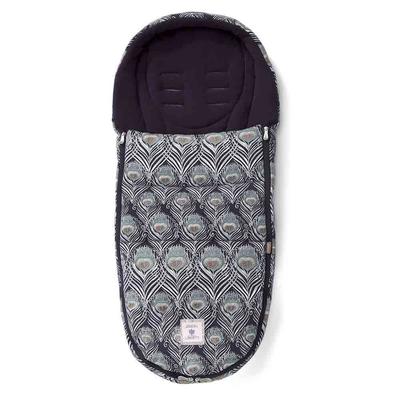
Mamas & Papas Special Edition Liberty Collaboration Cold Weather Plus FootmuffThe Cold Weather Plus Footmuff by Mamas & Papas is the ultimate footmuff for cold weather protection, and features an extra-soft fleece lining. Ideal for keeping baby warm and cozy when out and about in cool weather, you can even zip down to a liner...150,00 $*Shipping: 0,00 $Secure redirect to the provider
-
How does crossing-over influence recombination?
Crossing-over is a process during meiosis where homologous chromosomes exchange genetic material. This exchange of genetic material results in new combinations of alleles on the chromosomes, leading to genetic recombination. By shuffling genetic material between homologous chromosomes, crossing-over increases genetic diversity in offspring and can result in the creation of new combinations of traits. This process is essential for generating genetic variation within a population and plays a crucial role in evolution. **
-
What is recombination and genetic variability?
Recombination is the process by which genetic material is exchanged between two similar molecules of DNA, resulting in new combinations of genes. This process occurs during meiosis, the cell division that produces gametes (sperm and egg cells). Genetic variability refers to the diversity of genetic material within a population, which is influenced by factors such as recombination, mutations, and gene flow. Recombination plays a key role in generating genetic variability by creating new combinations of genes, which can lead to increased diversity and adaptation within a population. **
-
When does disproportionation occur instead of recombination?
Disproportionation occurs when a single species is both oxidized and reduced in a reaction, leading to the formation of two different products with different oxidation states. This process typically occurs when the species involved can exist in multiple oxidation states and there is no suitable reactant available for recombination. In contrast, recombination occurs when two species with different oxidation states combine to form a single product with an intermediate oxidation state. **
-
How many offspring are produced through recombination?
Recombination typically results in two offspring being produced. This is because during recombination, genetic material from two parent organisms is combined to create a new individual with a unique combination of traits. This process allows for genetic diversity and variation within a population. **
* All prices are inclusive of VAT and, if applicable, plus shipping costs. The offer information is based on the details provided by the respective shop and is updated through automated processes. Real-time updates do not occur, so deviations can occur in individual cases. ** Note: Parts of this content were created by AI.